Fashion Came to Barbour. Barbour Didn’t Go to Fashion.
Galvin Tullamore
Cropped jackets are in. Boxier fits are in. Waxed cotton, oversized pockets and functional outerwear are in. Looking around menswear today, you could be forgiven for thinking Barbour had redesigned itself to follow fashion
The reality is almost the opposite.
Many of the silhouettes that feel most relevant today were designed decades ago — not on a fashion runway, but on horseback, beside a river, on a motorcycle or outdoors in bad weather. Fashion eventually arrived at the same place.
The Transport: Function Before Fashion:
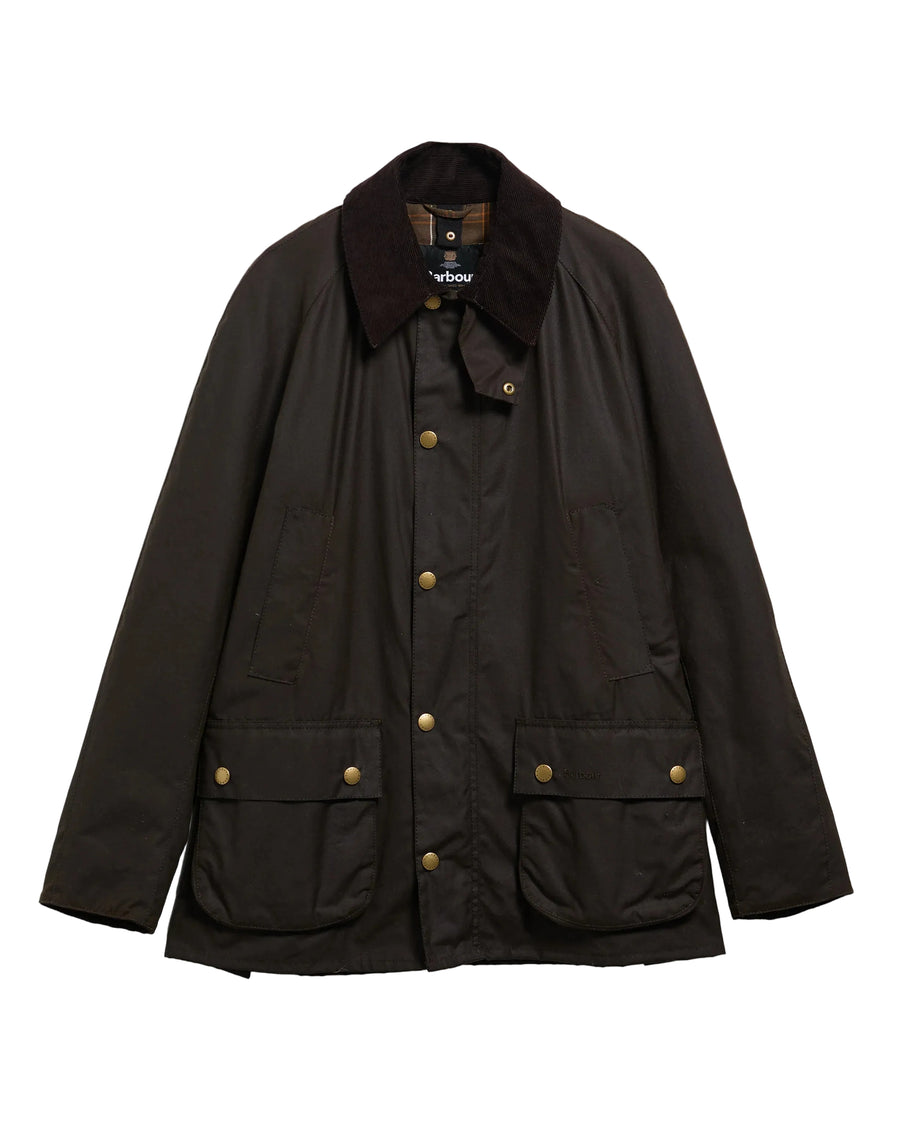
The Barbour Transport is probably the clearest example of what makes the brand so interesting today. With its shorter length, generous body and relaxed raglan sleeves, it looks almost purpose-built for the way menswear is being worn now — wider trousers, heavier footwear and more relaxed proportions.

But the Transport wasn’t designed with today’s trends in mind. Introduced in 1999, its shorter, roomier shape was created around movement, drawing on Barbour’s long history of practical outdoor clothing. The proportions were functional first; the fact that they now feel so contemporary came much later.
That is what makes the Transport different from a jacket designed simply to look “cropped”. Its shape has a reason behind it. What began as practical design has, more than two decades later, become exactly the silhouette fashion is looking for.
The Beaufort: Built for the Field, Adopted Everywhere:
Some jackets become iconic because they are redesigned again and again. The Beaufort became iconic because there was very little reason to change.

Introduced in 1983 and inspired by traditional shooting jackets, it was built for life in the countryside: a longer body for extra protection, handwarmer pockets for cold days, a corduroy collar, waxed cotton and the distinctive rear game pocket.
None of those details were added to make the jacket look fashionable. They were there because they were useful. Over time, though, that practicality became the look. What was once purely country clothing now feels just as natural with denim, knitwear and everyday menswear — proof that good design can outlast the trend cycle.
The Durran: When the Archive Becomes Modern:
The Durran is a reminder that Barbour doesn’t need to invent a new design language to feel current. Its waxed cotton, bellows pockets, needlecord collar and utility details all come from a much older tradition of practical outdoor clothing.

What makes the jacket feel modern is not that Barbour has chased a trend, but that those older functional ideas still work. The same details once valued for durability and practicality now happen to fit perfectly with the way menswear is moving again.
That is really the point of Barbour’s appeal today: the brand already had the ingredients. Fashion simply came back around to them.
And the Story Doesn’t End There:
The same idea runs through plenty of other Barbour jackets too. Take the Spey, introduced in 1981 for fly fishing. Its cropped length was practical, designed to sit neatly above fishing waders, yet today that same short, boxy shape looks completely at home with wider-cut trousers and modern footwear.
That is really the point. Barbour’s relevance has rarely come from trying to predict what fashion will do next. It comes from making purposeful clothing so well that, sooner or later, fashion finds its way back to it.
Barbour didn’t chase the trend. The trend caught up with Barbour.